Fit
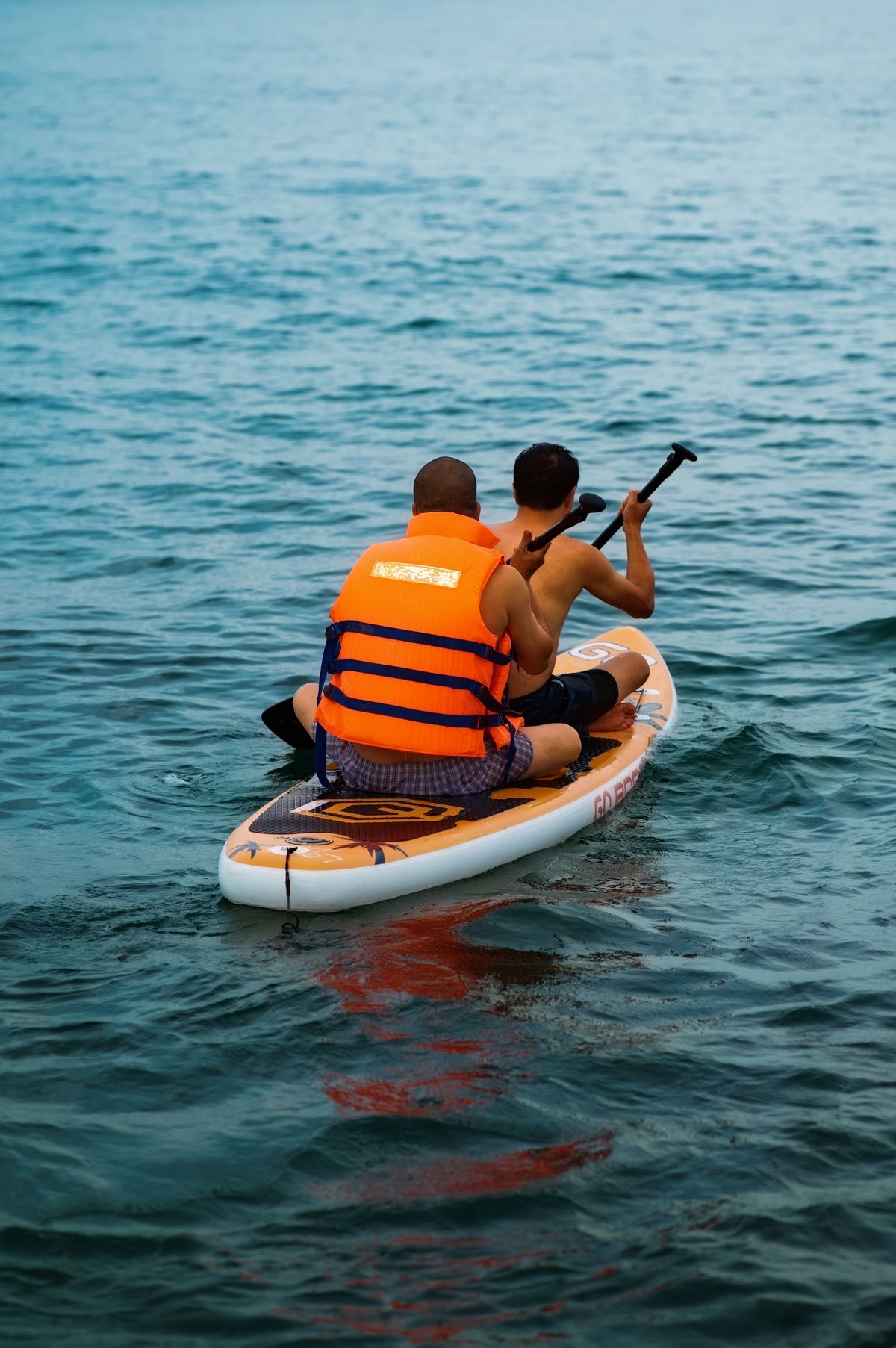
Use safety equipment that fits the person and suits the activity.
Surfira Field Guide
Prepare carefully, read the water, wear the right gear, and make every trip easier to manage before you leave shore.
Time on the water should feel open and uncomplicated. Good preparation helps keep it that way. This guide brings together practical habits for paddle boards, kayaks, snorkeling, river floating, beach days, and other outdoor water activities.
Use safety equipment that fits the person and suits the activity.
Inspect equipment, weather, water conditions, and your route before launch.
Know where you are going, when you expect to return, and when to turn back.
Make sure someone on shore knows your route, group, and expected return time.
Before You Launch
A few deliberate checks can reveal problems before they become difficult to manage on open water.
Check weather, wind, temperature, current, tide, surf, visibility, and any local warnings before leaving shore.
Choose distance and conditions that suit the least experienced person in your group.
Look for damaged straps, loose fittings, punctures, missing hardware, worn lines, or anything that could fail in use.
Decide in advance when you will head back based on time, daylight, energy, weather, and changing conditions.
Share where you are launching, where you plan to go, who is with you, and when you expect to return.
Gear works best when it is selected for the activity, properly fitted, checked before use, and easy to access.
Wear a properly fitted life jacket appropriate for the user and the activity, and follow applicable local requirements.
For paddleboarding, choose a leash system suited to the environment and understand how to release it when necessary.
Dress for the water and weather, not only the air temperature, especially in cold, windy, or changeable conditions.
Carry a suitable communication method in protected storage and know its limitations before relying on it.
Choose visible equipment and carry suitable signaling equipment when conditions, location, or regulations call for it.
Bring drinking water and appropriate sun protection, especially when distance or exposure can make a short outing longer.
Use these reminders as a starting point, then follow product instructions and local rules for your location.
Check inflation, valve security, fin attachment, paddle condition, flotation gear, and the leash system appropriate for the water before launch.
Confirm flotation gear, seating, foot support, paddle condition, drainage or hatch security, and a practical method for recovery if you capsize.
Check mask fit, snorkel function, fin fit, visibility, water entry and exit points, current, boat traffic, and your swimming limits.
Choose thermal protection suitable for conditions and confirm that the fit allows comfortable movement without restricting breathing or circulation.
Check sizing, intended use, closures, straps, fabric, and buoyancy components before every outing and replace damaged equipment.
Understand current, obstacles, entry and exit locations, water depth, changing river conditions, and the distance of the planned route.
Use them in conditions appropriate for recreational floating and remain aware that wind or current can move an inflatable away from shore.
Set up on stable ground away from advancing water, traffic lanes, steep drop-offs, and areas where changing tide or surf may reach your setup.
Balance the load, secure loose equipment, keep pathways clear, and use extra care on slopes, soft sand, ramps, and uneven shoreline access.
Place furniture on stable ground and keep it clear of rising water, unstable banks, fire hazards, access routes, and strong wind exposure.
Use the correct pressure setting and power method, keep electrical components protected from water, and follow both board and pump instructions.
When several activities share one outing, brief everyone on boundaries, meeting points, equipment ownership, return times, and changing conditions.
Conditions First
Wind, current, temperature, visibility, boat traffic, surf, fatigue, and distance can combine. Reassess throughout the outing rather than relying only on your launch-time check.
Note both direction and strength and consider how the return leg may differ from the outward trip.
Moving water can change your speed, route, stopping distance, and ability to return to the intended exit point.
Fog, darkness, glare, rain, and distance can reduce your ability to see hazards and your visibility to other water users.
Do not use your entire energy reserve reaching the destination. Conditions can make the return more demanding.
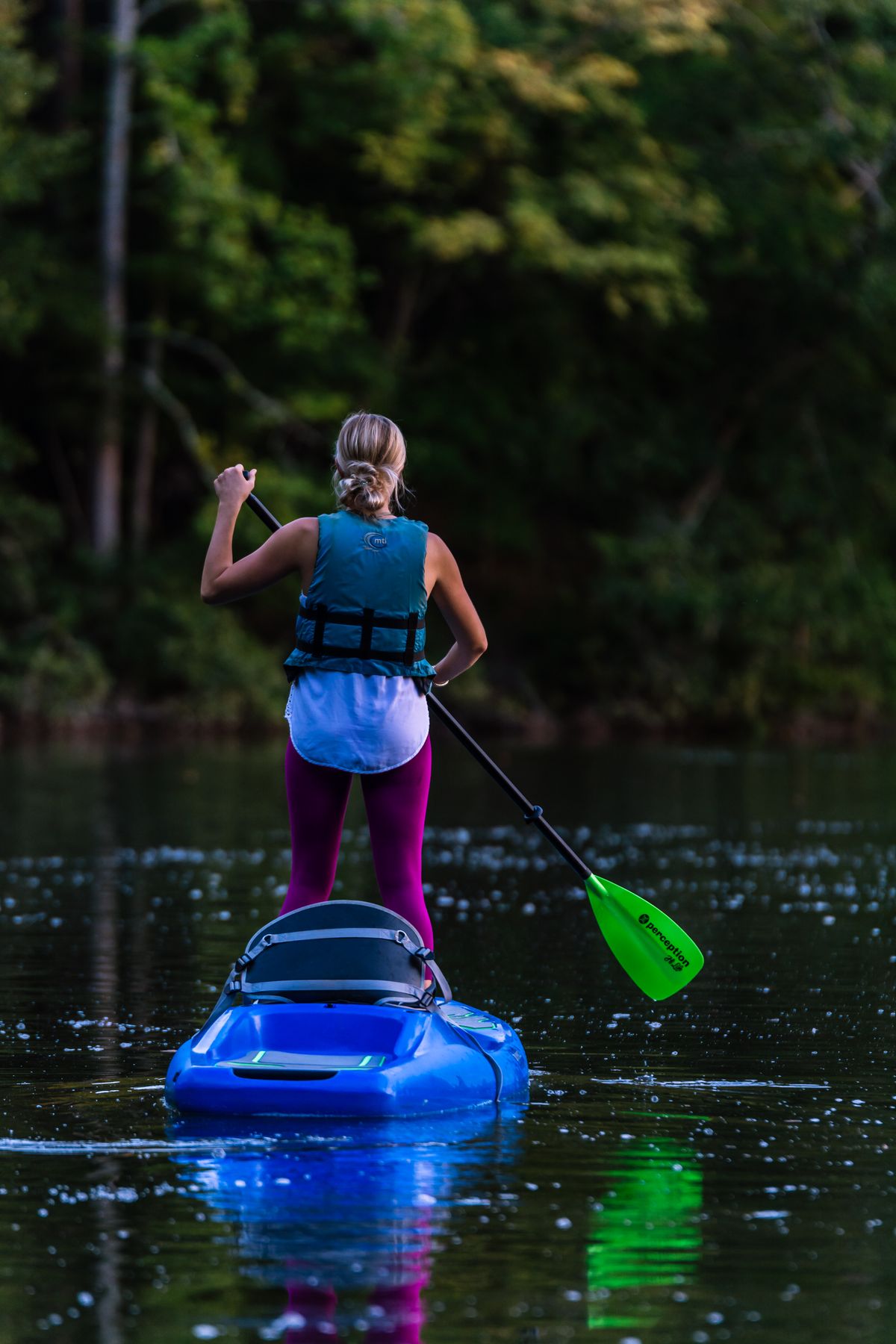
The most useful assessment combines forecast information with what you can actually see and feel at the launch site.
Wind can move paddle craft and inflatables quickly. Consider direction, exposed areas, shoreline geometry, and how conditions may affect the trip home.
Water can be significantly colder than the surrounding air. Choose clothing and exposure protection for the actual environment and activity.
Stay alert around powered craft, docks, launch ramps, channels, fishing activity, swimmers, and congested recreation zones.
Identify practical landing areas before you need them. Steep banks, surf, rocks, private property, changing tide, and dense vegetation can limit exit options.
Include wind, current, group pace, rest stops, changing conditions, daylight, and the energy required for the return.
Shorten or cancel an outing whenever the environment, equipment, group condition, or your own judgment tells you the original plan no longer fits.
Personal Readiness
The most useful safety setup combines appropriate equipment with realistic decisions about skill, conditions, distance, group capability, and when to stop.
Be realistic about swimming ability and comfort if you unexpectedly enter the water.
Learn the recovery method appropriate to your paddle craft before relying on it farther from shore.
Keep enough physical capacity for an unexpected change in route or conditions.
Avoid activities when fatigue, impairment, illness, or distraction reduces your ability to judge risk.
Make sure everyone understands the route, boundaries, return plan, and basic response if separated.
Learn about local hazards, access restrictions, regulations, and emergency resources before unfamiliar trips.
You do not need a complicated process. You need a plan clear enough that everyone knows what happens next.
Select a location that fits the experience of the group and the equipment being used.
Identify the launch, destination or turnaround area, safe exits, landmarks, and any places you intend to avoid.
Decide the launch time, turnaround time, expected return, and an earlier limit if daylight or weather may become a factor.
Give a reliable person on shore enough information to recognize when your return is meaningfully overdue.
Compare the forecast with actual conditions and change the plan if the site does not match expectations.
When you are safely back, tell the person holding your trip information that the outing is complete.
Follow each product's instructions and replace damaged, degraded, or unreliable equipment before your next outing.
Change Of Plan
Reduce distance, move toward a safer landing area, regroup, reassess, or end the outing. A shorter day on the water is better than continuing simply because it was the original plan.
Prioritize people over equipment if circumstances require a choice.
Review ChecklistGroup outings are easier to manage when roles, boundaries, timing, and communication are clear before anyone enters the water.
Travel at a pace that keeps the group connected and allows less experienced participants to stay comfortable.
Identify where participants may go, where they should not go, and which landmarks mark the agreed limits.
Keep track of the people in your group and pause when spacing or visibility makes that difficult.
Build the route around the participant who needs the most conservative conditions, distance, and support.
Children and inexperienced swimmers require attentive supervision and appropriately fitted safety equipment near water.
Establish a clear location and procedure to follow if members of the group become separated.
Make sure each participant has the equipment intended for them and understands how it is worn or operated.
Confirm everyone and all essential equipment are accounted for before leaving the launch or recreation area.
A short repeatable routine is easier to remember than trying to rebuild your safety process for every outing.
Weather reviewed.
Wind direction understood.
Water conditions observed.
Route fits the group.
Launch and exit identified.
Return time established.
Life jackets checked.
Craft inspected.
Paddle or propulsion checked.
Communication protected.
Drinking water packed.
Sun protection ready.
Thermal protection appropriate.
Emergency essentials accessible.
Group boundaries understood.
Shore contact informed.
Energy and comfort reassessed.
Conditions still match the plan.
Cleaning, drying, inspection, and proper storage can reveal small problems before they become equipment failures.
Remove salt, sand, mud, and debris using the care method recommended for each product.
Allow equipment to dry properly before long-term storage unless its specific care instructions state otherwise.
Check for abrasion, punctures, loose fittings, damaged closures, worn straps, or other changes caused during the outing.
Do not wait until the next launch to investigate damage discovered while cleaning or packing.
Protect equipment from damaging heat, moisture, pressure, sunlight, sharp edges, and unsuitable long-term compression.
Note what worked, what felt difficult, and what equipment or planning changes would make the next outing easier to manage.
Common Questions
These answers are general guidance. Always follow product instructions, local regulations, posted warnings, and qualified local safety advice.
Use a properly fitted life jacket appropriate for the activity and user, and check the rules that apply to your location, craft, age group, and conditions.
Yes. Short outings can still be affected by wind, storms, temperature changes, poor visibility, or rapidly changing water conditions.
Check inflation and pressure, valve security, seams, deck condition, fin installation, attachment points, paddle, and any leash system before entering the water.
Water and air temperature can be very different. Dress for the possibility of entering the water and choose exposure protection appropriate for the environment.
A phone may be useful in some locations, but coverage, battery life, water exposure, distance, and local conditions can limit it. Select communication equipment suitable for the outing.
Share your launch point, planned route or area, who is with you, expected return time, and enough information for them to recognize when the plan has changed significantly.
Turn back when conditions deteriorate, the group becomes tired or uncomfortable, equipment develops a problem, visibility worsens, timing slips, or the trip no longer fits the original safety margin.
Yes. Wind and current can move inflatables. Use recreational floating equipment only in conditions appropriate for its intended use and stay aware of your position relative to shore.
Favor manageable conditions, shorter distances, clear launch and exit points, easy opportunities to stop, and a route appropriate for the least experienced member of the group.
Learning an appropriate recovery technique in controlled conditions can help you understand the physical effort and equipment handling involved before you travel farther from shore.
Make a quick inspection part of every outing and perform any additional maintenance or periodic checks required by the product manufacturer.
Do not rely on damaged safety equipment. Follow the manufacturer's guidance for replacement, inspection, or approved servicing.
Base the final decision on the conditions you actually encounter. Shorten, relocate, delay, or cancel the outing when the environment does not match the plan.
A connected group is generally easier to monitor and communicate with. Establish spacing, boundaries, meeting points, and a clear response if someone becomes separated.
No. This page provides general educational guidance and does not replace product instructions, qualified training, local regulations, posted warnings, or situation-specific professional advice.
Water activities involve inherent risks. Conditions and legal requirements vary by activity and location. This guide is general educational information only. Always follow product instructions, posted warnings, applicable regulations, local authority guidance, and qualified instruction appropriate to your activity.